Digital Product Passport for Textiles: Timeline and Example
Use one T-shirt order to trace a mill claim, answer a retailer, choose what shoppers see and decide whether a spreadsheet is enough for a pilot.
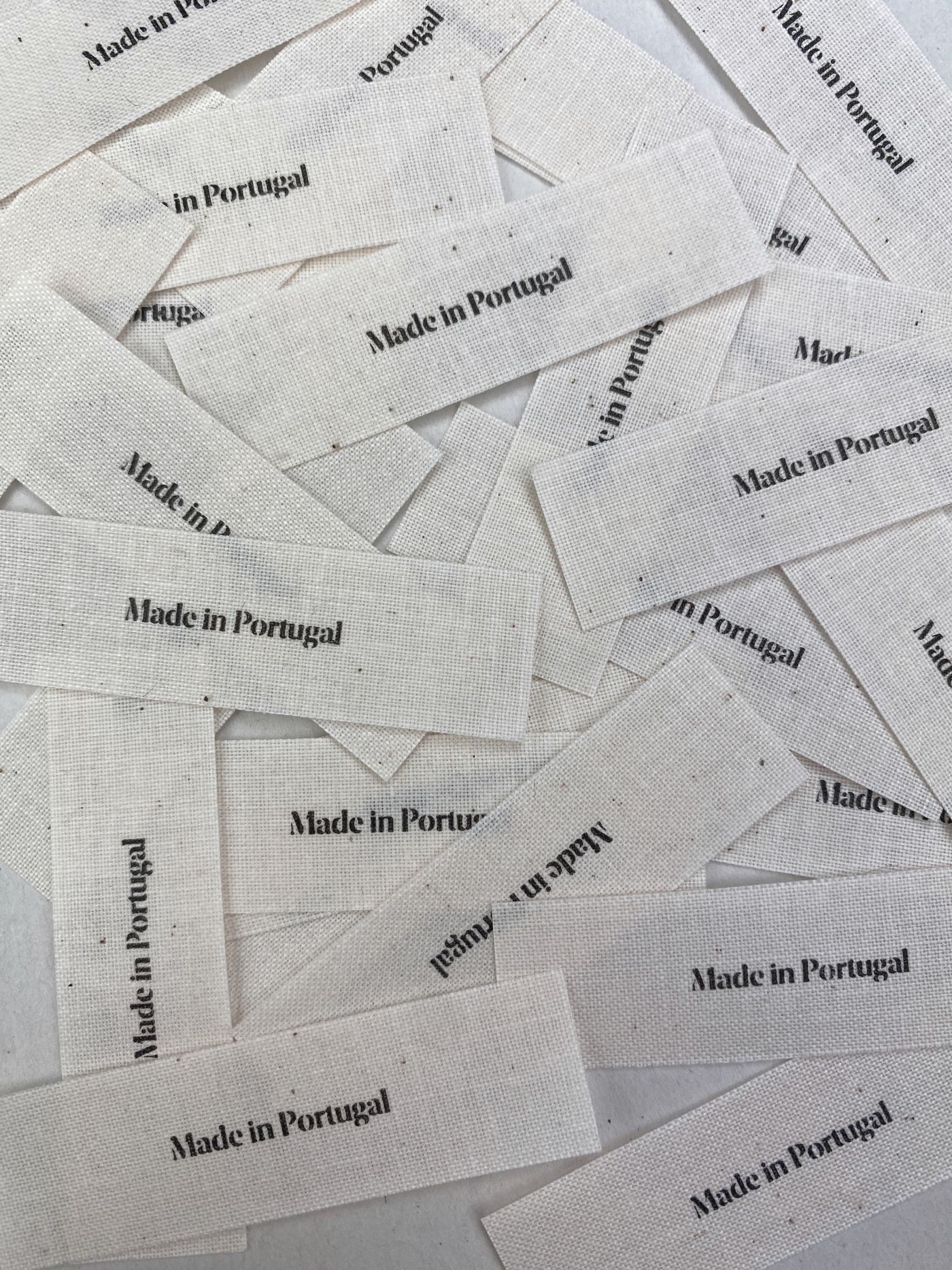
Table of Contents
EU clothing brands do not yet have a general deadline to issue a digital product passport for every garment. As of 19 November 2026, the European Commission plans to adopt the textile apparel delegated act in Q4 2027. That act will set the product scope, required data and application timetable. If a retailer asks for a DPP this quarter, you can already give it a garment record backed by supplier evidence. Start with one style and the retailer’s requested fields. European Commission textile apparel timeline.
Working on a retailer request? The example shows which claims a brand can verify and how to flag a missing supplier document.
View the T-shirt evidence sheet
By EcoComply · Sources checked 19 November 2026
When will a digital product passport be required for textiles?
The Ecodesign for Sustainable Products Regulation (EU) 2024/1781 establishes the DPP framework. Article 9 leaves important decisions to each product-specific act, including which data must be available and whether a passport identifies a model, batch or individual item. The 2025–2030 working plan prioritises textiles, particularly apparel. Q4 2027 is the Commission’s planning date for adopting the apparel rules. Check the final act for the date obligations start. ESPR, Articles 4 and 9 · Commission working plan.
For your next range review, keep two dates in the file. Enter the retailer’s submission date from its written brief. Keep the EU application date open until the adopted rule supplies one. If you sell home textiles as well as clothing, check the eventual product scope before extending an apparel decision to the whole catalogue.
What should a fashion brand collect for one garment?
Ask the buyer for its template, affected styles and sizes, required identifiers, submission format and intended audience. Ask whether it expects a spreadsheet, a hosted page or a scannable label. Start with a garment that has a confirmed order. The example below is a fictional buyer evidence sheet. Its fields illustrate a commercial request while the EU field list is being developed.
Worked example for a cotton T-shirt
| Buyer’s field | Example entry | Evidence or next action |
|---|---|---|
| Product and batch | Everyday Tee, navy, size M. Style CT-01. Batch N07. | Match the purchase order line to the approved tech pack, revision 3. |
| Fibre composition | Main fabric: 100% cotton. | Mill specification for fabric C17 and bill of materials for CT-01. Check trims separately if the buyer asks for them. |
| Production stages | Cut and sewn in Portugal. Dyeing location unverified. | Sewing factory declaration for N07. Sourcing lead has requested the dyehouse record. |
| Recycled content | Unverified. No percentage submitted. | The supplier’s brochure covers its full range. Ask for evidence tied to C17 and N07 before making a claim. |
| Record owner | Brand sourcing lead. Version 1. | Record the approval date and reopen the sheet when the mill, material or specification changes. |
A “Made in Portugal” label can support a question about the finished garment. It does not establish where the cotton grew or the fabric was dyed. Keep the evidence for each production step linked to that step. Give buyers access to the agreed evidence through a controlled channel. Check which fields may be public before putting a link on the care label.
Is a mill certificate enough to prove a claim on our T-shirt?
Start with the precise claim the buyer wants to publish. To support a recycled-content percentage for a particular delivery, check what the evidence covers: the facility, material, dates and shipment. A certificate covering a mill may establish that the site participates in a scheme. By itself it does not identify the fabric cut for the order. Ask the scheme or buyer which evidence it accepts for the claim.
Trace one delivery backwards. Suppose sewing order N07 used navy roll R42. The cutting ticket links N07 to R42. The dyehouse delivery note links R42 to dye lot D18. The mill’s dispatch record ties D18 to the underlying fabric lot. Give each supplier a row for its incoming reference, outgoing reference, quantity and dated document. Different numbering systems are workable if the handover appears in both records.
If the next sewing order uses roll R58 from a second mill, reopen only the affected evidence. Keep the approved garment measurements and care information where they still apply. If nobody can match R58 to the claimed input, tell the retailer which order is verified and which claim is still pending. This is a suggested buyer-evidence workflow while the EU apparel rules are being developed. Commission guidance on the forthcoming textile requirements.
How should I answer a retailer asking for a DPP now?
We can send a product record for style [reference] by [date]. We have evidence for [fields]. We are waiting on [supplier or document] for [field] and will update you by [date]. Could you confirm your required fields, identifier, preferred format and which information shoppers should be able to see? We can then agree on the pilot label and delivery date.
{{cta}}
Can a small brand start with Excel before buying DPP software?
Yes, for a retailer pilot, if the buyer accepts a spreadsheet. Use one row per style and production batch, with the buyer’s field, proposed value, source reference, evidence owner, review date and whether the field can be shared publicly. Give the buyer a dated export. Keep the working sheet and supplier evidence in your controlled workspace. This pilot prepares your data for the eventual EU requirements.
When is software worth paying for? Test a real change first. If one fabric goes into twelve styles, can your team find every affected batch, update the approved evidence and retain the previous version? If that takes longer than the retailer’s response window, ask vendors to demonstrate that exact change using your sample data. Include record export, label-link continuity and the cost of updates in the quote.
The ESPR leaves the required level of identification to the applicable product rules. Ask the retailer whether it needs one link per style, batch or piece before printing labels in bulk. A style-level link can show shared care information, but it cannot establish which of two mills supplied a particular garment without a batch or item link. ESPR, Articles 9–11.
What should shoppers see, and what can stay with the buyer?
For a voluntary pilot, agree on two views before printing. The shopper might see the style, verified composition and care instructions. The buyer might receive a dated evidence index and shipment references. Review a supplier’s test report before sharing it. Prices, personal contact details and information about other customers can be on the same page as the technical result. Share the necessary evidence through the agreed channel.
Keep the mandatory fibre-composition marking or label for clothing sold to EU consumers. Adding a QR code is compatible with continuing to provide the required label. Ask a colleague to scan a finished garment and match the digital composition to the sewn-in label and approved fabric specification. For the eventual EU passport, the apparel act will determine the fields, identification level and access requirements. EU textile labelling guidance · Commission apparel DPP guidance.
What should a founder approve before rolling this out?
- Agree on the deliverable. Get the buyer’s acceptance criteria in writing. A spreadsheet may satisfy an initial range review even when a public record will be needed later.
- Cost the repeat work. Ask for separate estimates for gathering evidence per supplier, preparing a style, printing or changing labels, and keeping records current. Reusing a fabric specification across styles saves effort only when you can identify the batches it covers.
- Test a change. Switch the pilot to a different mill on paper. Check who withdraws the old claim, who approves the new evidence and how buyers see the correct version. This is also a practical diligence test for an investor funding the rollout.
For other product categories, use the EU digital product passport guide.
Frequently Asked Questions
Everything you need to know about EU compliance
As of 19 November 2026, the EU has set no general application date for clothing passports. The European Commission plans to adopt the textile apparel delegated act in Q4 2027. Check the final act for the garments covered, required data and application date.
Send the verified fields for the named garment and a list of open requests. For each gap, identify the supplier, the evidence requested and the next update date. Leave the associated claim unverified until you have evidence covering that product and batch.
For clothing sold to EU consumers, keep the required fibre-composition marking or attached label. A QR code can add access to a digital record. Check the textile labelling rules before changing a sewn-in label or approving packaging artwork.
Record which fabric lots each mill supplied and which garment batches consumed them. Reuse verified style information, then attach origin or recycled-content evidence to the lots it covers. If a batch cannot be matched, leave that claim open for that batch.

Preparing a passport for a retailer?
Start with the retailer’s field list and one garment style.
Discuss your product and compliance needs
Tell us about your product and target markets. Receive an initial requirements assessment and a personalised proposal based on our fixed pricing. No obligation.